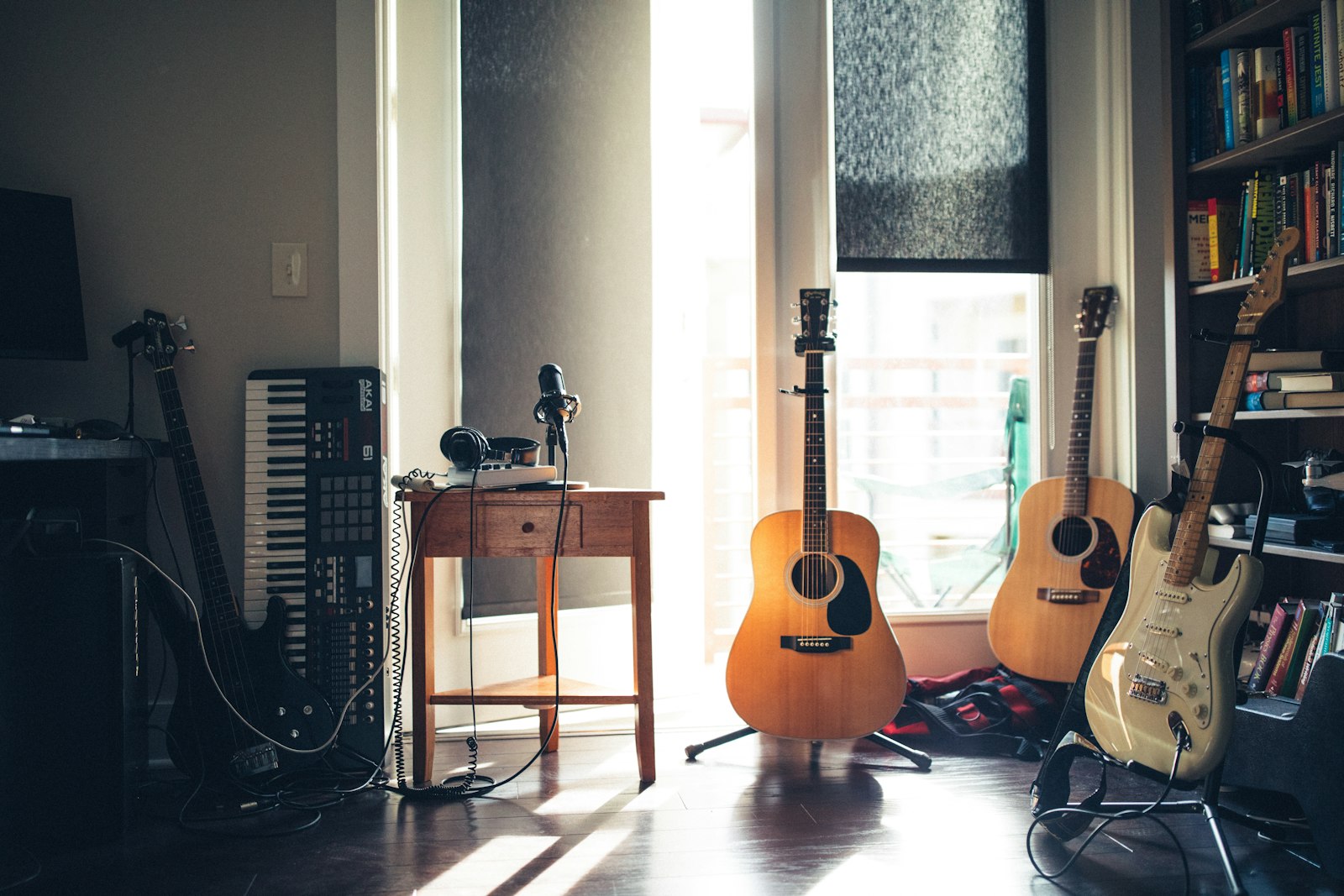
Advanced Strategies for Resilient Micro‑Touring in 2026: A Playbook for Indie Bands
Micro‑touring in 2026 demands agility, hybrid experiences, sustainable merch flows and airtight logistics. This playbook breaks down advanced strategies to build resilient, profitable short-run tours for indie bands.
Hook: Why Micro‑Touring Is the New Mainline for Indie Bands in 2026
Short runs, high impact. In 2026 the economics of touring have shifted: visa friction, venue consolidation and climate-aware fans mean bigger, slower tours are riskier. Increasingly, indie bands succeed by running tightly engineered micro‑tours — two‑to‑ten date runs optimized for local engagement, hybrid reach and merch-first economics. This is an advanced playbook: tactical, tech-forward and futureproof.
What Changed — The 2026 Context
Over the last three years the live ecosystem matured around hybrid formats and micro‑experiences. The playbook for bands now blends on-site intimacy with streaming reach and local commerce mechanics. Read the broader industry shifts in The Evolution of Hybrid Events in 2026 to understand how hybrid production expectations shape fan experience and revenue models.
Principles of Resilient Micro‑Touring
- Modular routing: Treat each date as a self-sufficient product that can be scaled in isolation.
- Hybrid-first programming: Design sets that work both live and in short-stream edits.
- Merch as a logistics priority: Flatten supply chains so merch can be fulfilled at or near the show.
- Local partnerships: Favor venue and community collaborators who amplify discovery and handle last‑mile demands.
- Operational redundancy: Backup audio, payments and delivery plans are non‑negotiable.
Step‑By‑Step: Building a Micro‑Tour That Scales
Below are the concrete steps indie bands and their managers are using in 2026 to build resilient short runs.
1) Route Design: Think in Regions
Design clusters of dates within 1–3 hour travel rings to allow efficient crew movement and scalable guest lists. Use microcations research to plan weekend blocks and maximise local discovery; similar logic appears in playbooks for turning micro‑markets into community hubs — see Pop‑Up Playbooks 2026 for community activation tactics you can adapt for small towns.
2) Hybrid Events: Program for Two Audiences
Create a stage set that reads on camera and in-room. Short-form clips, watch‑party cues and local watch‑party partners extend reach without blowing the budget. The industry shift toward hybrid expectations is summarized in The Evolution of Hybrid Events in 2026, which informs production standards bands should adopt.
3) Merch & Checkout: Make Sustainability a Feature
Fans now expect sustainability signals at purchase. Offer local pickup, minimal packaging and returnless exchanges where possible. This helps lower shipping carbon and supports impulse buys at shows. For concrete tactics to label and operationalize sustainable checkout, reference Sustainability at Checkout: Labels, Local Delivery and Returnless Exchanges (2026 Playbook).
4) Local Delivery & Fulfillment
Don't ship everything from a central warehouse. Use a hybrid fulfillment strategy: pre‑position top SKUs at partner shops, a local fulfillment locker or even the venue's FOH. Tools and cloud patterns for local delivery are covered in Streamlining Local Delivery with Cloud Tools: A Beginner’s Guide (2026), which outlines the lightweight stacks bands can adopt.
5) Pop‑Up & Experience Design
Turn merch tables into micro‑experiences: listening stations, limited drops, artist signings and sustainability badges. For layout and media resilience strategies that work at transient events, see Playbook: Pop‑Up Display Events and Media Resilience in 2026. Apply temporary bonding and fast install methods to shorten load‑in times and reduce labor costs.
Operational Tactics — The 2026 Toolbox
- Payment & POS: Choose an offline-resilient POS that syncs with local inventory and supports micro‑subscriptions for fan clubs.
- Light logistics: A compact, modular merch kit travels in airline‑carry constraints; prioritize foldable racks and returnless sealing.
- Redundancy: Carry dual audio chains and a portable streaming encoder. Test disaster scenarios before each date.
- Local marketing: Short attention windows demand microfunnel promos — paid social geo‑fencing, local radio drops and cross‑promo with venues.
- Data hygiene: Consent-first mailing lists for on-site signups; match physical sales to email captures at the point of sale.
Case Example: One Weekend, Three Revenue Streams
Imagine a Friday-Sunday cluster: Friday — seated listening night with limited merch drop; Saturday — headline at a community micro‑market; Sunday — livestreamed brunch set with paid access. Each date is financially independent but together form a narrative that increases lifetime fan value. For inspiration on turning micro‑markets into sustainable community hubs, study Pop‑Up Playbooks 2026.
"Design shows that earn locally, stream globally, and ship sustainably." — Operational maxim for resilient micro‑touring, 2026
Merch Strategies That Reduce Risk
Shift the product mix: high‑margin small runs (capsules), durable basics and experiential items (prints, zines, limited-run art). Offer local pickup and digital extras (download codes, micro‑subscriptions). If you want to make eco‑friendly checkout a competitive advantage, follow the playbook at Sustainability at Checkout.
Advanced Prediction: What Will Matter in Late 2026 and Beyond
- Edge delivery for streams: Lower-latency regional streaming points will make hyperlocal watch parties seamless.
- Micro-subscriptions: Bundled local perks — priority tickets, first access drops — will become standard revenue nudges.
- Regulatory focus on short-term rentals & pop-ups: Bands that codify compliance into their checklists will avoid cancellations.
- Data portability: Fans will expect easier transfers of their purchases between platforms — plan for composable commerce.
Checklist: Pre‑Show 24‑Hour Runbook
- Confirm streaming endpoints and local bandwidth tests.
- Verify POS sync and local pickup SKU counts.
- Run a mini safety check for outdoor gear (see protection guidance at How to Protect Outdoor Speakers and AV Gear from Rain — Practical 2026 Strategies).
- Confirm cross‑promotion with local partners and micro‑influencers.
Final Notes for Bands and Managers
Micro‑touring in 2026 is an exercise in systems design: route + hybrid product + local commerce + resilient ops. If you want to prototype without overcommitting, run a single‑region weekend and iterate with data. For practical local delivery tools and lightweight stacks, re-read the primer at Streamlining Local Delivery with Cloud Tools.
Start small, instrument everything, and prioritize fan experience. Those who master micro‑touring in 2026 will reap better margins, lower risk and closer community ties than the old long-run model ever delivered.
Related Topics
Maya Keating
Senior Conversion Strategist
Senior editor and content strategist. Writing about technology, design, and the future of digital media. Follow along for deep dives into the industry's moving parts.
Up Next
More stories handpicked for you

The Local Pop‑Up Playbook for Indie Bands (2026): From Micro‑Events to Merch Mechanics

The Evolution of Release Aesthetics in 2026: Design Systems, Visualizers and Cohesive Drops
